Tales from Substack
Tales from Substack
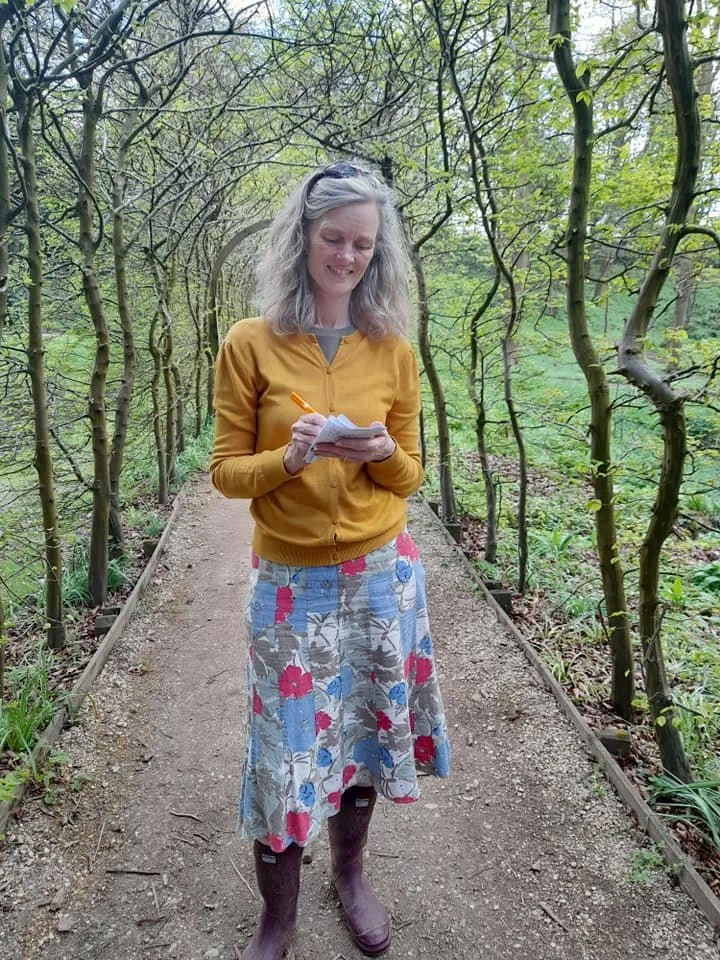
Painswick Rococo Garden © Nigel Sargeant
Tales from Substack comprise extracts from my newsletter - today a tip on keeping a notebook.
Since January, I’ve been writing a monthly newsletter. You can subscribe for free to receive roundups of how I’m getting my writing done, shoutouts for great books I’ve read, and tips for emerging writers.
Every so often, I’ll post extracts here on my blog.
Tip Nine: Carry a Notebook
Inspiration can strike at the most inconvenient times.
You’re standing at the school gate, armed with your child’s scooter and a packet of Monster Munch, when a wonderful new character pops into your head. Or in the dentist’s waiting room as a new subplot quells your anxious thoughts. Or you’re putting up flat-pack furniture and two kick-ass lines of dialogue emerge from your expletives.
I guarantee that you will not remember these game-changing ideas by the time you’ve wobbled that scooter all the way home and put the tea on; survived the drill (and the bill); or you’ve translated the assembly instructions into English.
You have to write your flashes of brilliance down as soon as they occur to you. Delay and they’ll be lost forever.
For years, I’ve carried a notebook with me. Sometimes I jot notes on my phone instead. When I’m out and about, I often see a place or a person or hear a snatch of conversation that sparks an idea. I jot it down before it’s gone.
A few years ago I went to the Severn Area Rescue Association (SARA) open day at Sharpness Lifeboat Station. They were offering tours of the control room. I went on one and took notes on what SARA officer, Deryck Pritchard, told us. I didn’t have any particular project in mind but tucked the notes away until a couple of years later I wrote Her Charming Man, the second book in the Gloucestershire Crime series. I knew the story would feature a search for a missing person so I wrote a chapter about Steph, my detective, going to Sharpness to get help from SARA. In the final book, I added an acknowledgement and an author’s note about SARA. They have since invited me to attend the open day three times to sign copies of the book.
When I wrote Her Deadly Friend, I wrote the draft of the first chapter from my recollections of the Painswick Rococo Garden. It’s a garden I visit frequently so I had lots of thoughts of what to include. However, the next time I went to the garden, I noticed details I’d missed so I scribbled notes as I walked round. Later I added these notes into my scene. It was far more vivid than when I’d written it simply from memory.

Her Deadly Friend and Her Charming Man enjoying a snack at Coffeehouse 42 © Rachel Sargeant
A notebook has proved valuable in odd minutes of time to myself, usually while I’m waiting for someone: the dentist, the children, the hairdresser, the spouse, the friend. Rather than play on my phone, I use the time with my notebook to plan a scene or write a bit of a chapter. I nearly always change what I’ve written when I get back to my laptop, but the scribbles in my notebook give me a head start.
Make sure to create some kind of filing system for notebook jottings as you’ll soon have a stack of full exercise books. The ideas will be lost again if you don’t know how to access them quickly. As soon as I can, I type new notes into files I’ve created on my computer for different research topics.